
Stress: Is Your Life Battery Running Low?
5th August 2026
Stress has become such a normal part of modern life that many of us barely notice how much of it we are carrying.
There are the obvious pressures: work, money, family responsibilities, deadlines and uncertainty. But stress isn’t always created by one big event. Sometimes it is the accumulation of dozens of smaller demands that, individually, seem manageable but collectively begin to wear us down.
A busy day becomes a busy week. A busy week becomes a busy month. Before long, feeling tired, overwhelmed, distracted or constantly “switched on” can start to feel like our normal state.
The problem is that we often respond by trying to do even more. We squeeze another task into the day, check our phones between activities, answer messages while eating, work late because there is always something else to do, and tell ourselves that we’ll slow down when things become quieter.
But what if the answer isn’t simply to become better at coping with a busy life?
Dr Rangan Chatterjee’s The Stress Solution offers a useful way of thinking about this. Rather than seeing stress as something that exists only in our minds, he looks at the wider picture of our lives — including our sense of purpose, our relationships, our physical health and our mental wellbeing. His approach is based around making small, practical changes rather than attempting to completely overhaul our lives.
This is important because stress isn’t necessarily a sign that something is “wrong” with us. Our bodies are designed to respond to challenges. Stress can help us react, focus and take action when we need to.
The difficulty comes when the demands on us keep coming, while the opportunities to pause, recover and recharge become fewer.
We often ask ourselves how we can fit more into our already busy lives, but take a step back for a moment. Instead, ask yourself “what is using up my energy?”, and ultimately, “is there anything that I can change?”
That shift in perspective can be surprisingly powerful.
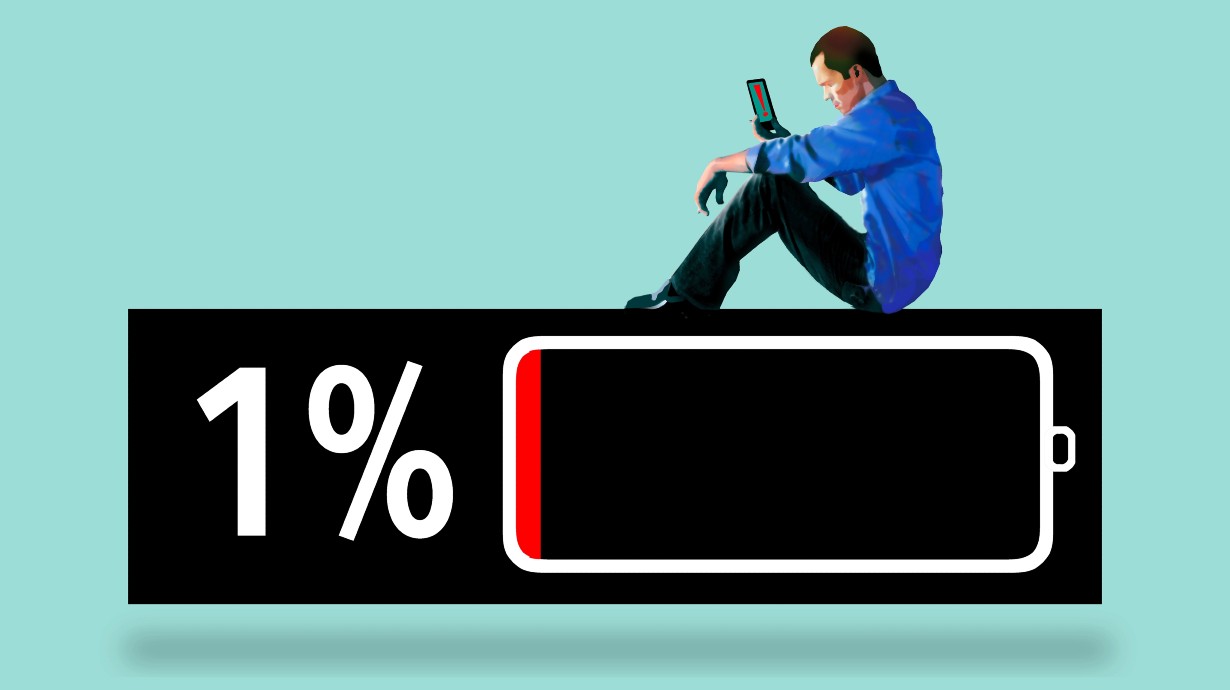
Think of your life like a mobile phone
Imagine that your life is like a mobile phone, and all the activities, responsibilities and demands in your life are like apps.
The more apps you have running, the quicker your battery can run down.
When your battery is getting low, one option is to close one or two of the apps that you don’t need right now. You don’t necessarily have to shut everything down. Sometimes simply reducing what is running in the background can make a difference.
But we also need to recharge.
And just like your phone doesn’t always need to be plugged in for hours to gain some charge, you don’t necessarily need a whole afternoon off to give yourself a chance to recharge. Even short bursts can help – one, five, fifteen minutes or even an hour? The important thing is finding something that genuinely helps you recharge.
Do something that brings you joy
Listen to music. Immerse yourself in a good book. Phone a friend or relative. Sit in the garden with a cuppa. Draw. Go for a walk. Think about something you are grateful for. A conversation with someone who makes you smile.
It doesn’t have to be productive. In fact, it can be helpful if it isn’t.
Move your body
Movement doesn’t have to mean going to the gym or completing a structured workout. Run up and down the stairs. Do some squats. Try some yoga. Skip. Go for a run or cycle. Take a walk.
The aim is simply to get yourself moving, out of your chair and, where possible, into a different environment and stop your mind from engaging with what is currently occupying your thoughts.
Disconnect from the demands of the moment
Try some breathing exercises or mindfulness. Give yourself a few minutes where you aren’t required to respond, decide, achieve or solve something.
Sometimes doing less for a few minutes is exactly what we need.
And these activities don’t always have to be another thing added to an already busy day. They can become small habits that fit naturally into the things you already do. For example, when you put the kettle on, could you use those few minutes to step outside, take some slow breaths, listen to a favourite song or simply stand quietly and enjoy your cup of tea?
How long do you need to recharge?
What would you do if you had:
- 1 minute?
- 5 minutes?
- 10 minutes?
- 15 minutes?
- An hour?
You don’t have to wait until your battery is completely flat before you recharge it.
Think about the things that genuinely give you energy, make you smile, help you feel calmer or allow you to step away from the constant demands of everyday life.
And here’s one final thought.
Whatever you choose to do to recharge your battery, you don’t need to post about it on social media.
Not everything has to be shared, measured or turned into content.
Sometimes the pleasure comes from knowing that something is simply for you.
No likes. No comments. No notifications.
Just a few moments to recharge your own battery.